
Compare credit cards
Compare over 280 credit cards from every bank in Thailand, sourced from the Bank of Thailand. Find the one that fits your lifestyle.

Browse by reward type
Browse by bank


Featured cards
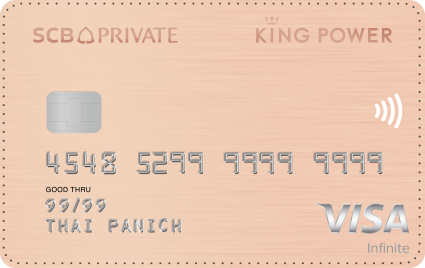
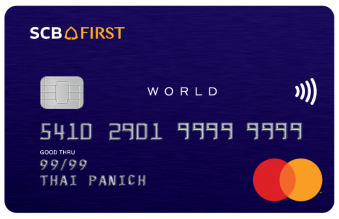
About credit cards
There is no single "best" credit card — only the card that fits how you actually spend. If most of your spending is fuel and dining, a cashback card usually wins; if you fly often, a miles card or one with lounge access may be worth more. What matters is not the headline promotion but the annual fee, the conditions for waiving it, and the minimum income the bank requires.
CheckDi compiles credit cards from banks and issuers across Thailand using the Bank of Thailand's public product data, so you can compare fees, rewards and conditions side by side in one place, free of charge.
How to choose a credit card
- Start from how you actually spend — look back over two or three months, find your biggest categories, then pick a card that pays well in those.
- Read the caps — cashback is often capped per statement cycle, so a high advertised rate can be worth much less in practice.
- Check the annual fee and how it is waived — many cards are free in year one and waived later if you spend above a set amount.
- Check the minimum income before applying, to reduce the chance of rejection — applying too often can affect your credit record.
- If you expect to pay in instalments, judge the card on its interest rate and fees rather than its perks; interest will outweigh the rewards.
- Interest-free days affect cash flow — longer gives you more time before full payment is due, but only helps if you clear the balance in full each cycle.
Frequently asked questions
Cashback, points or miles — which is better?
Do I have to pay the annual fee?
How important is the minimum income, and what if I am rejected?
What are interest-free days?
Is it a good idea to hold several credit cards?
Choosing a credit card that fits your lifestyle helps you get the most value from your monthly spending. CheckDi compiles credit card data from the Bank of Thailand (BOT), covering entrance fees, annual fees, minimum income, interest-free periods, and rewards — cashback, points, or miles — so you can compare and pick the most worthwhile card with ease, free of charge.